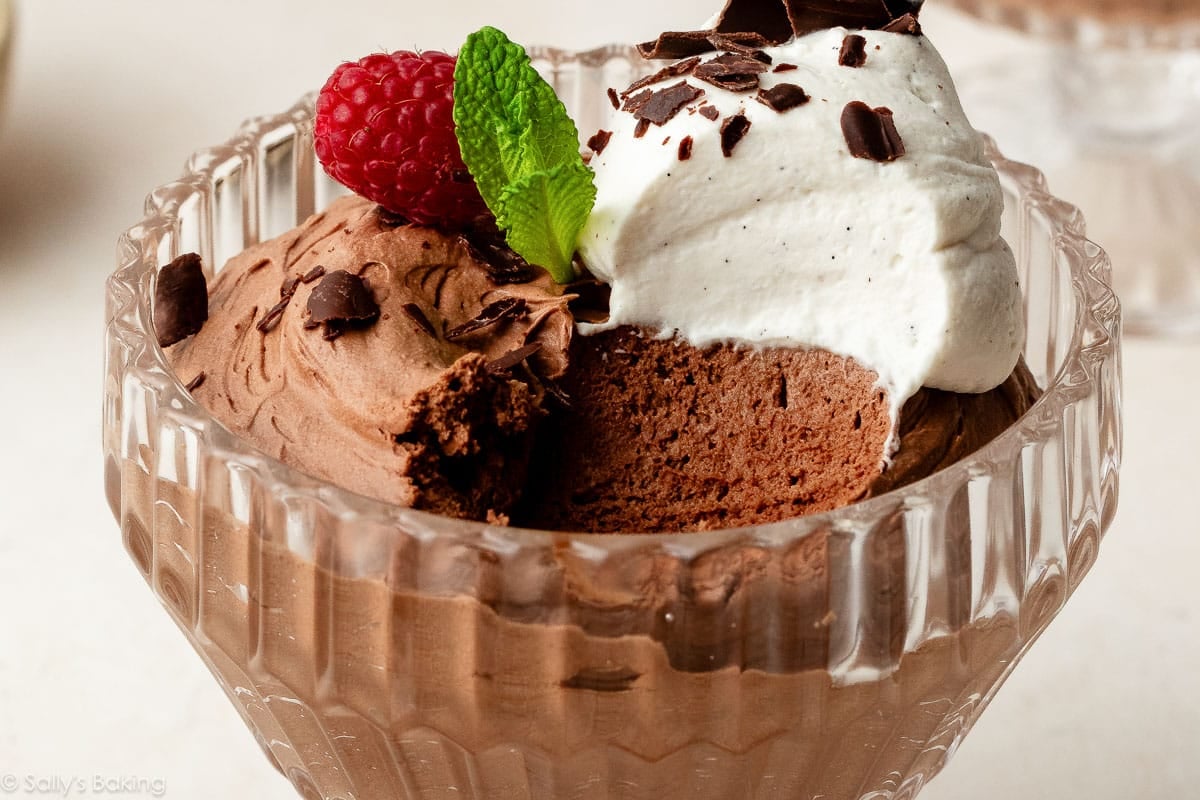
Beginner-Friendly Chocolate Mousse: Unlocking Delicious Simplicity
Chocolate mousse. The very name conjures images of sophisticated Parisian cafes, romantic dinners, and decadent indulgence. Its signature texture—a delicate balance of airy lightness and intensely rich, velvety smoothness—makes it a quintessential dessert that consistently delights. Yet, for many home cooks, the idea of creating this classic confection at home feels daunting, a culinary Everest reserved for professional pastry chefs. Visions of intricate techniques, precise temperatures, and the potential for a dense, uninspired result often cause aspiring bakers to shy away.
But what if we told you that the secret to a truly sublime, perfectly textured chocolate mousse doesn't lie in a labyrinth of complex pastry arts, but in surprising simplicity? This article aims to demystify this beloved dessert, guiding you through a beginner-friendly approach that promises all the luxurious flavor and ethereal texture without the usual culinary anxiety. Prepare to unlock the joy of homemade chocolate mousse, proving that extraordinary doesn't have to mean overwhelmingly difficult.
The Allure and Intimidation of Classic Chocolate Mousse
The enduring appeal of chocolate mousse lies in its sensory experience: the way a spoon glides through its cloud-like body, the immediate melt-in-your-mouth sensation, and the lingering, deep chocolate flavor. It’s a versatile dessert, equally at home as a grand finale to a holiday feast—perhaps dolloped with whipped cream and sprinkled with sea salt for Valentine's Day—or as a simple, elegant treat to elevate an ordinary evening. The make-ahead advantage is another significant draw; its presentation often involves little more than spooning it into a decorative glass, freeing up precious time when entertaining.
However, historically, the path to achieving this perfection has been paved with what many perceive as advanced pastry skills. Culinary textbooks and esteemed chefs often present recipes that build upon multiple foundational techniques, each challenging in its own right. Imagine combining:
- A ganache, a rich emulsion of chocolate and cream.
- A crème anglaise, a delicate custard sauce thickened with egg yolks.
- Or even a pâte à bombe, a laborious process involving hot sugar syrup carefully whisked into egg yolks.
These bases are then flavored with melted chocolate, before incorporating a meringue (often an Italian meringue, requiring specific sugar syrup temperatures) for lightness and whipped cream for creaminess. Sometimes, gelatin is added for extra stability, especially with lighter chocolates. When three or more such intricate methods converge in a single recipe, it’s easy to understand why the average home cook might feel overwhelmed and reach for a simpler, albeit often inferior, alternative. Indeed, many "easy" recipes often sacrifice the very essence of what makes chocolate mousse so special—its signature texture and depth of flavor. For a deeper dive into how experts tackle this classic, explore articles like
The Best Chocolate Mousse: Famous Chefs Reveal Sublime Recipes.
Unlocking Delicious Simplicity: The Beginner's Game-Changer
The good news is that culinary innovation, even in classic desserts, often leads to elegant simplification. Through rigorous testing and a quest for perfection without unnecessary complexity, a remarkably straightforward method for chocolate mousse has emerged that even experts might envy. This technique not only makes the dessert incredibly accessible for beginners but consistently produces a chocolate mousse that is arguably superior in both texture and flavor. The revelation? Many traditional recipes include a step that is, frankly, completely unnecessary.
The key to this streamlined, beginner-friendly approach centers around a clever use of heat and direct cooking, eliminating the need for separate complex preparations. Instead of making a ganache, a crème anglaise, or a pâte à bombe independently and then combining them, this method integrates crucial steps. The secret lies in using a metal mixing bowl that can be placed directly over gentle heat (or over a saucepan of simmering water for a double-boiler effect).
Here’s the genius behind it:
- Direct Egg Treatment: Instead of separating yolks and whites for different components or painstakingly creating a hot sugar syrup, this method often involves gently warming eggs (sometimes with sugar) directly over heat while whisking. This serves multiple purposes: it safely cooks the eggs, eliminating concerns about raw egg consumption; it creates a stable, frothy base that provides structure; and it emulsifies beautifully with melted chocolate. This single step replaces the need for an intricate pâte à bombe or crème anglaise.
- Integrated Flavor: The chocolate itself can sometimes be incorporated into this warmed egg mixture early on, allowing flavors to meld seamlessly without needing a separate ganache.
- Streamlined Aeration: The other primary aerator, whipped cream, is then gently folded in, along with any meringue (if a simplified meringue is part of the specific recipe, though many simplified versions reduce or eliminate this too). This ensures the iconic light and airy texture.
This technique dramatically reduces the number of pots and pans, the required precision (no need for a candy thermometer for sugar syrup), and the overall time commitment. It’s a testament to the idea that sometimes, less truly is more, especially when it results in such exquisite quality.
Essential Ingredients & The Art of the Easy Mousse
Even with a simplified method, the quality of your ingredients makes a significant difference in the final taste of your homemade chocolate mousse. Here’s what you’ll need and some tips for mastering the art of simplicity:
Key Ingredients:
- High-Quality Chocolate: This is the star of the show. Opt for a dark or semi-sweet chocolate (60-75% cocoa solids) that you genuinely enjoy eating on its own. Avoid chocolate chips as they often contain stabilizers that can affect melting and texture. Chopped bar chocolate or baking wafers work best.
- Fresh Eggs: Given the direct heat treatment, ensuring your eggs are fresh is always good practice. The warming process effectively cooks them, contributing to both safety and the mousse’s structure.
- Heavy Cream: This provides the crucial richness and lightness. Ensure it's very cold before whipping for the best results.
- Sugar: Just enough to balance the bitterness of the chocolate and enhance the overall sweetness.
- Optional Flavorings: A pinch of salt to enhance chocolate flavor, a splash of vanilla extract, or a hint of espresso powder can elevate your mousse without adding complexity.
The Art of Execution (Simplified Overview):
- Melt Your Chocolate: Gently melt your chosen chocolate using a double boiler or in short bursts in the microwave, stirring until smooth. Set aside to cool slightly.
- Create the Aerated Base: In your metal mixing bowl, combine eggs and sugar. Place the bowl over a saucepan of simmering water (or very low direct heat, whisking constantly and diligently). Whisk vigorously until the mixture is warm to the touch, visibly thickened, and light in color—think of a sabayon or a light meringue base being formed. This step is crucial for both safety and structure.
- Combine with Chocolate: Remove the egg mixture from the heat and gently fold in the slightly cooled melted chocolate until fully incorporated and glossy. The warmth of the egg mixture helps the chocolate meld seamlessly.
- Whip the Cream: In a separate, chilled bowl, whip your cold heavy cream until soft peaks form. Be careful not to over-whip, as stiff peaks can make the mousse dense.
- The Gentle Fold: This is where airiness is preserved. Add about a third of the whipped cream to the chocolate-egg mixture and fold it in more robustly to lighten the base. Then, add the remaining whipped cream in two additions, folding very gently with a spatula using an upward, circular motion, being careful not to deflate the air you’ve worked so hard to incorporate. Stop as soon as no streaks of cream remain.
- Chill and Serve: Spoon the mousse into individual serving glasses or a large bowl, cover, and chill for at least 4 hours, or preferably overnight, to allow it to set and flavors to meld.
This method truly makes velvety, rich chocolate mousse achievable for anyone.
Elevating Your Homemade Chocolate Mousse Experience
While the allure of a perfectly prepared classic chocolate mousse is undeniable, there's always room for personalization and creative flair. Even with a beginner-friendly approach, you can effortlessly elevate your dessert to impress.
Delightful Serving Suggestions:
- Classic Whipped Cream: A dollop of freshly whipped cream is timeless. Add a touch of vanilla or a dash of liqueur to the cream for an extra layer of flavor.
- Textural Contrasts: Sprinkle with a pinch of flaky sea salt for a sophisticated sweet-and-savory contrast, or shave some dark chocolate over the top for added decadence.
- Fresh Fruit: Berries like raspberries, strawberries, or blueberries offer a burst of freshness and a beautiful color contrast. Sliced bananas also pair wonderfully.
- Unexpected Drizzles: For a truly gourmet touch, drizzle a high-quality extra virgin olive oil over the mousse just before serving. The peppery notes surprisingly complement the rich chocolate.
- Beverage Pairings: Serve alongside a dessert wine, a small glass of espresso, or even an amaro for a digestif that cleanses the palate after the richness.
Creative Flavor Twists:
- Spiced Mousse: Infuse your chocolate with a pinch of cayenne pepper for a subtle kick, or a touch of cinnamon or cardamom for warmth.
- Liqueur-Infused: A tablespoon of Grand Marnier, Kahlúa, rum, or a raspberry liqueur folded into the chocolate mixture can add a sophisticated depth.
- Mint Chocolate: A few drops of pure peppermint extract (or finely chopped fresh mint leaves) can transform your mousse into a refreshing mint chocolate delight.
The beauty of chocolate mousse is its versatility and its ability to be prepared entirely ahead of time. This makes it a perfect dessert for dinner parties or special occasions, allowing you to focus on your guests rather than last-minute kitchen stress. For those who find themselves inspired by this journey into mousse-making and wish to explore more advanced variations and techniques, you might find valuable insights in
Decoding Chocolate Mousse: Expert Tips for Every Skill Level.
Indulge in Homemade Perfection
Gone are the days when chocolate mousse was an exclusive domain of professional chefs. With this beginner-friendly approach, the path to creating a light, velvety, and intensely rich chocolate mousse at home is not just possible, but surprisingly simple and incredibly rewarding. By understanding the core principles and embracing a streamlined technique that prioritizes taste and texture, you can confidently whip up a dessert that rivals any you’d find in a high-end restaurant. So, choose your favorite chocolate, gather your ingredients, and prepare to delight yourself and your loved ones with the undeniable magic of homemade chocolate mousse. It’s time to transform perceived complexity into delicious, approachable simplicity.